
Could the root cause of your stubborn high blood pressure be located entirely within the blood vessels supplying your kidneys? The answer is yes narrowing of the renal arteries can trigger a severe form of hypertension that does not respond to standard lifestyle changes or multiple blood pressure medications.
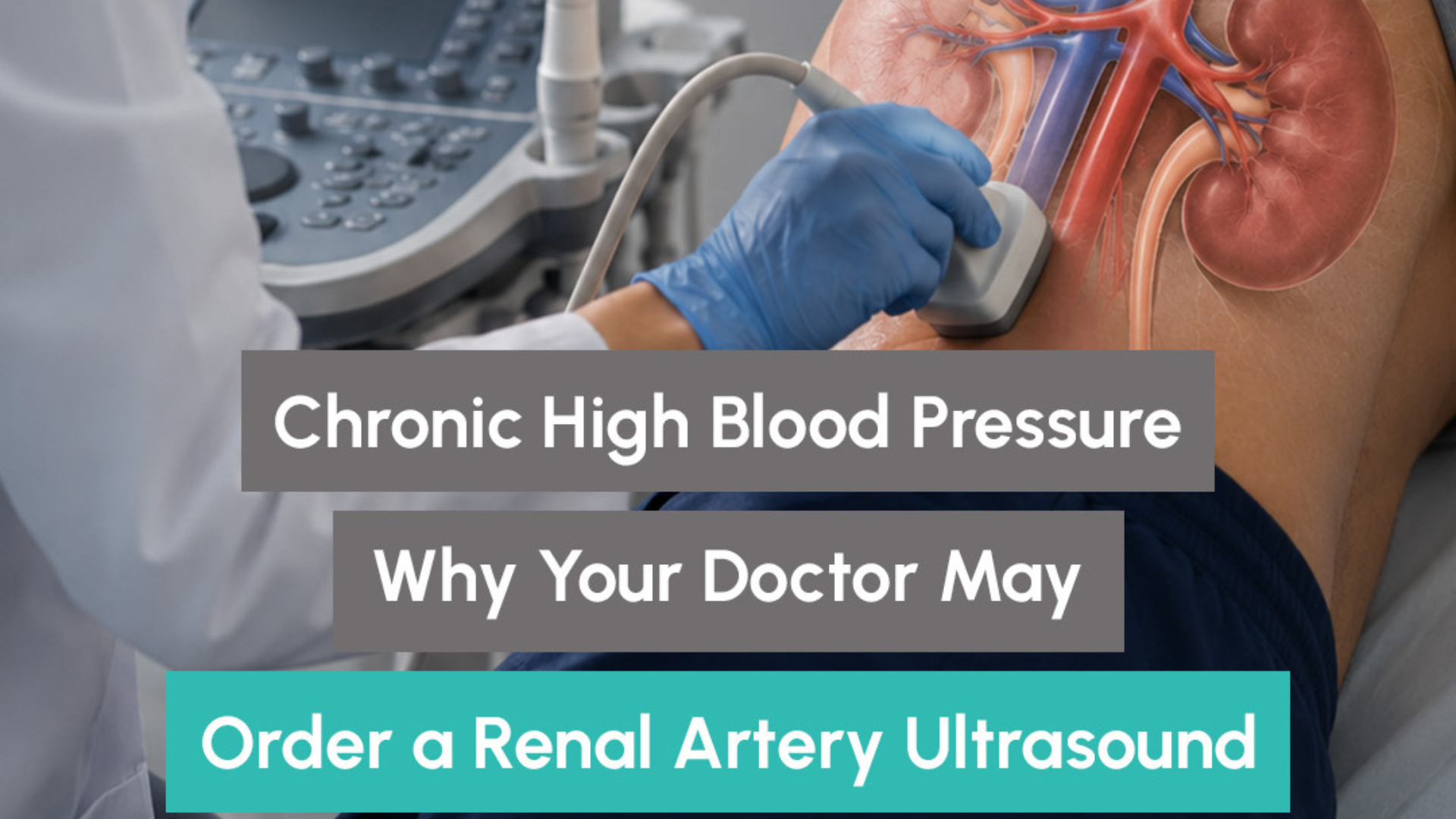
When the blood vessels that deliver oxygenated blood to your kidneys become constricted your body enters a defensive state. The kidneys mistakenly perceive this reduced blood flow as a sign that your entire circulatory system has low pressure. In response they release a powerful cascade of hormones that constrict blood vessels throughout your body and force your system to retain salt and water dramatically driving up your blood pressure readings. This specific medical condition is known as renal artery stenosis or renovascular hypertension. Pinpointing this structural issue requires highly sophisticated diagnostic imaging that goes far beyond a standard scan. Bringing your specialist referral to Capri Ultrasound ensures you receive expert care from a sonographer with over nineteen years of clinical experience working directly alongside top tier vascular surgeons.
Most people understand that high blood pressure is a major risk factor for cardiovascular disease stroke and kidney damage. However many do not realize that the relationship can also work in reverse with vascular narrowing actively causing the elevation in pressure.
When a patient presents with chronic high blood pressure that remains stubbornly high despite taking three or more different antihypertensive medications doctors refer to this as resistant hypertension. In these clinical scenarios general practitioners and cardiologists look for secondary causes rather than simply adjusting medication dosages again.
Renal artery stenosis is one of the most common reversible causes of secondary hypertension. It typically develops due to atherosclerosis which is the accumulation of fatty plaque deposits inside the vessel walls or fibromuscular dysplasia, a condition that causes abnormal cell growth in the artery walls. Identifying this narrowing early is vital because restoring proper blood flow can significantly improve blood pressure control and protect long term kidney function.
An abdominal vascular study is widely considered one of the most technically demanding investigations in the entire field of diagnostic ultrasound. Unlike scanning a superficial vessel in the arm or leg, evaluating the renal arteries requires navigating deep within the abdominal cavity.
The sonographer must track blood flow through tiny deeply seated vessels that are constantly moving with the patients natural breathing patterns. Furthermore overlying bowel gas and abdominal fat layers can easily obscure the view making it incredibly difficult to capture clear images and accurate blood flow velocity readings.
This is where general radiology clinics often fall short. A corporate chain facility that focuses on high volume throughput may not dedicate the intensive time or specialized skill required to thoroughly trace the entire length of both renal arteries. Missing a localized narrowing near the origin of the vessel can lead to an inaccurate report delaying the correct diagnosis and treatment plan for the patient.
When dealing with a complex deep tissue vascular assessment the background and dedication of the professional holding the ultrasound probe is your greatest asset.
At Capri Ultrasound your scan is conducted by Brendan, an independent sonographer who has spent over nineteen years specialising directly in complex vascular diagnostics. Having worked intimately with leading vascular surgeons and specialists Brendan possesses an advanced understanding of hemodynamics and the subtle structural anomalies associated with renovascular disease.
This deep specialisation means our independent clinic can capture and interpret complex flow patterns that generalist facilities routinely miss. We dedicate the necessary time to meticulously evaluate every section of your abdominal vasculature ensuring your referring doctor receives an incredibly precise detailed diagnostic report that forms a solid foundation for your ongoing medical management.
Because the kidneys sit deep behind the digestive organs preparing for a renal artery ultrasound requires specific fasting protocols to ensure the highest possible image clarity.
To minimise the presence of bowel gas which completely blocks ultrasound sound waves patients are required to fast from all food and fluid for several hours prior to their appointment time. This fasting window allows the stomach and intestines to rest, reducing gas pockets and allowing the ultrasound beam to travel cleanly to the deep abdominal blood vessels.
Our professional team provides clear personalised preparation instructions when you book your appointment ensuring you understand exactly how to prepare comfortably. While fasting requires a small amount of planning it is a vital step that directly impacts the accuracy of your diagnostic results.
If you or a loved one are struggling to manage chronic resistant high blood pressure it is worth discussing the possibility of a renovascular investigation with your medical practitioner.
To ensure your renal artery ultrasound is fully bulk billed through Medicare your general practitioner simply needs to write a valid referral outlining your persistent hypertension symptoms and direct the request to Capri Ultrasound. Our family owned independent clinic fully bulk bills all Medicare eligible vascular studies meaning you can access elite specialist level imaging without any out of pocket fees or corporate gap expenses.