
DVT, or deep vein thrombosis, is a blood clot that forms in one of the deep veins, usually in the calf or thigh. It is diagnosed with a duplex ultrasound, a painless scan that uses sound waves to check blood flow and locate the clot. At Capri Ultrasound on the Gold Coast, we treat DVT ultrasounds as an urgent service during regular weekday hours, because leaving a clot undiagnosed can allow it to grow or move to the lungs.
We see referrals for suspected DVT regularly, and it is one of the more time sensitive scans we do. If your GP has raised the possibility of DVT, understanding what the condition is and how the ultrasound works can make the process a lot less daunting.
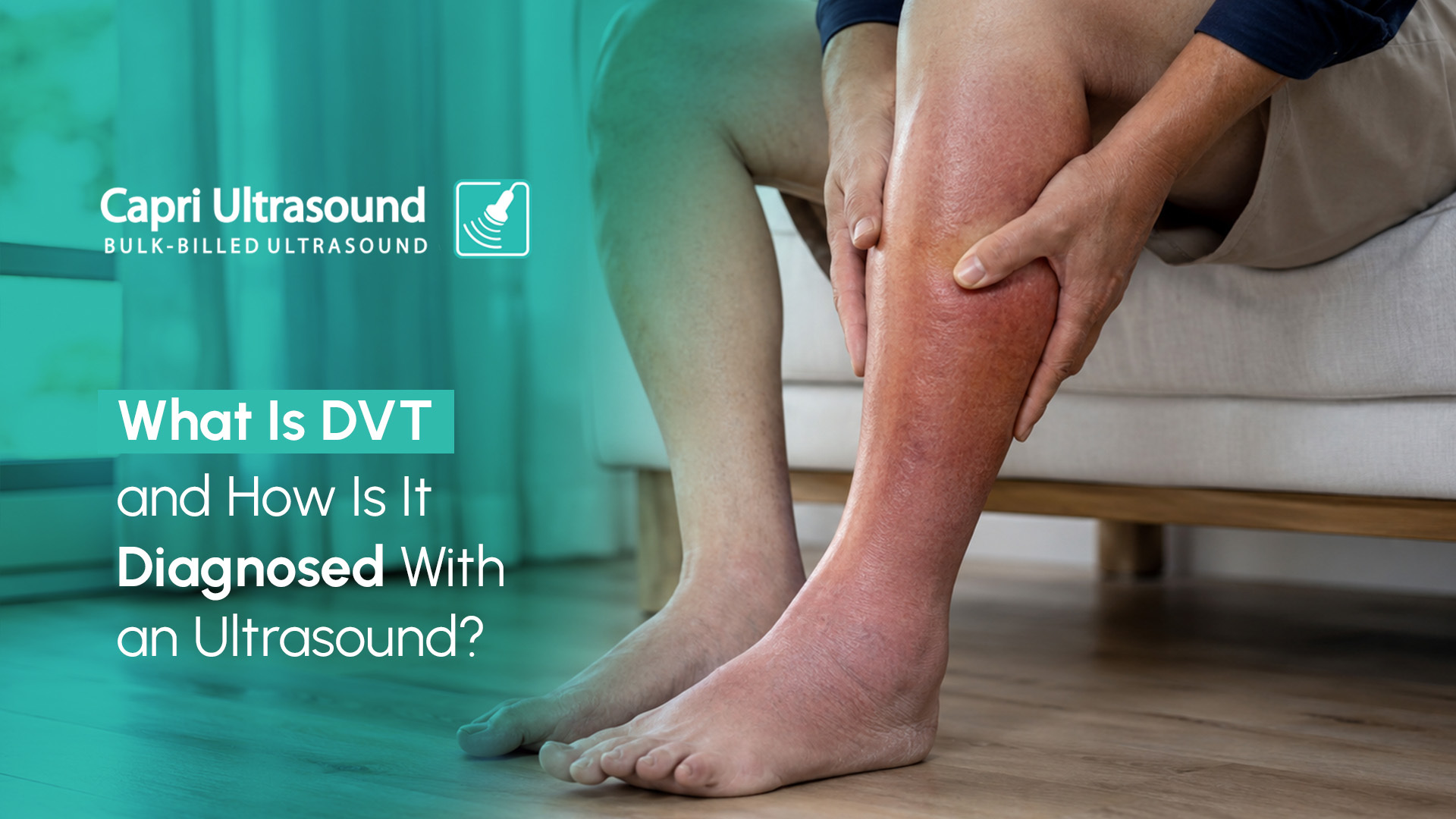
The most common signs are swelling, pain, warmth and redness in one leg, usually in the calf. The swelling is often one sided, which is one of the clues doctors look for, since general fluid retention tends to affect both legs evenly. Some people notice the skin feels tight or the area is tender to touch, while others have very mild symptoms or none at all. This is sometimes called a silent DVT, and it is part of why doctors will often order a scan even when symptoms are minor, rather than wait and see.
A DVT itself is manageable once it is found, usually with blood thinning medication. The real danger is if part of the clot breaks away and travels to the lungs, causing a pulmonary embolism, which is a medical emergency. Because of this risk, a same day ultrasound is the standard approach rather than a routine booking further down the track. At Capri Ultrasound, DVT is one of the conditions we prioritise as an urgent scan during weekday hours, alongside things like appendicitis and testicular torsion.
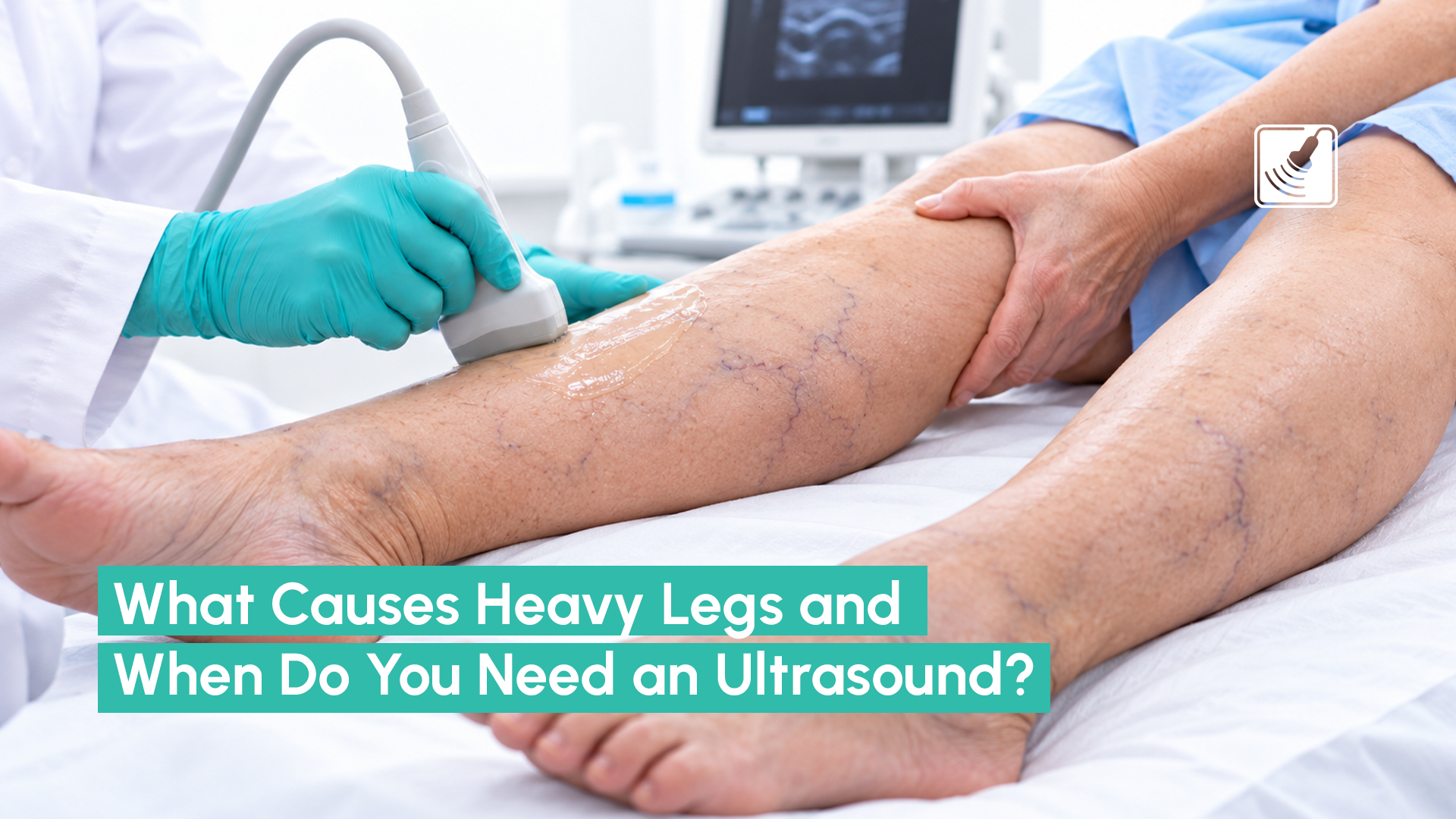
A DVT ultrasound, also called a venous duplex scan, is straightforward and does not involve needles, dye or radiation. You will lie down while a sonographer moves a small handheld probe along the leg, pressing gently at intervals. This pressing is a key part of the test, since a healthy vein compresses easily under light pressure, while a vein containing a clot will not compress the same way. The scan also measures how blood is moving through the vein, which helps confirm whether a clot is present, and if so, roughly how large it is and where it sits.
The appointment usually takes around twenty to thirty minutes, and there is no need to fast or prepare beforehand. Results are sent to your referring doctor quickly given the urgent nature of the scan, so they can decide on treatment without delay.
Risk increases with reduced movement, so it is more common after surgery, during a long hospital stay, or after long haul travel where you have been seated for extended periods. Other factors include pregnancy, certain medications such as the oral contraceptive pill, smoking, being overweight, having cancer or a family history of blood clots, and simply getting older. None of these guarantee you will develop a DVT, but they are the reasons your doctor may be more cautious about ordering a scan if you mention leg pain or swelling alongside one of these factors.
Yes, and this is exactly why an ultrasound is so useful. Muscle strains, cellulitis and even a simple cramp can cause similar swelling and pain, and it is not always possible to tell the difference from symptoms alone. An ultrasound gives a clear answer either way. If our sonographer does not find a clot, that is genuinely useful information, since it means your doctor can look at other causes with more confidence.
If a clot is found, your doctor will usually start you on blood thinning medication and may recommend compression stockings to help with swelling and reduce the chance of ongoing vein damage. Most people manage DVT without needing hospital admission, provided it is caught early and treatment starts promptly. If you would like to understand more broadly how ultrasound is used to assess veins and arteries, our vascular ultrasound page covers the other types of scans we perform in this area, including carotid and leg artery assessments.
For general guidance on symptoms and treatment, healthdirect has a clear overview of DVT, and the Better Health Channel has further detail on risk factors and prevention, including tips for long flights and car trips.
If your doctor suspects DVT, getting scanned quickly matters. At Capri Ultrasound, Medicare card holders are bulk billed for eligible ultrasounds with a valid referral, and we keep urgent slots available during the week specifically for cases like this. You can see the full range of scans we offer, including our other urgent ultrasound services, or get in touch directly if you have a referral in hand and need to be seen the same day.
If you are dealing with leg pain or swelling and are not yet sure what is causing it, speak with your GP about whether a DVT ultrasound is worth ruling it out. It is a quick, painless way to get a definite answer.