
If you have visible veins, aching legs, or a heavy feeling in the legs, your doctor may recommend a varicose vein ultrasound. This scan is used to check how blood flows through the veins in your legs and determine whether the valves inside those veins are working properly. A varicose vein ultrasound is painless, non-invasive, and one of the most effective ways to diagnose circulation problems such as venous insufficiency legs.
Varicose veins are common, particularly as people get older. While many people see them as a cosmetic issue, they can sometimes indicate an underlying circulation problem in the veins of the legs.
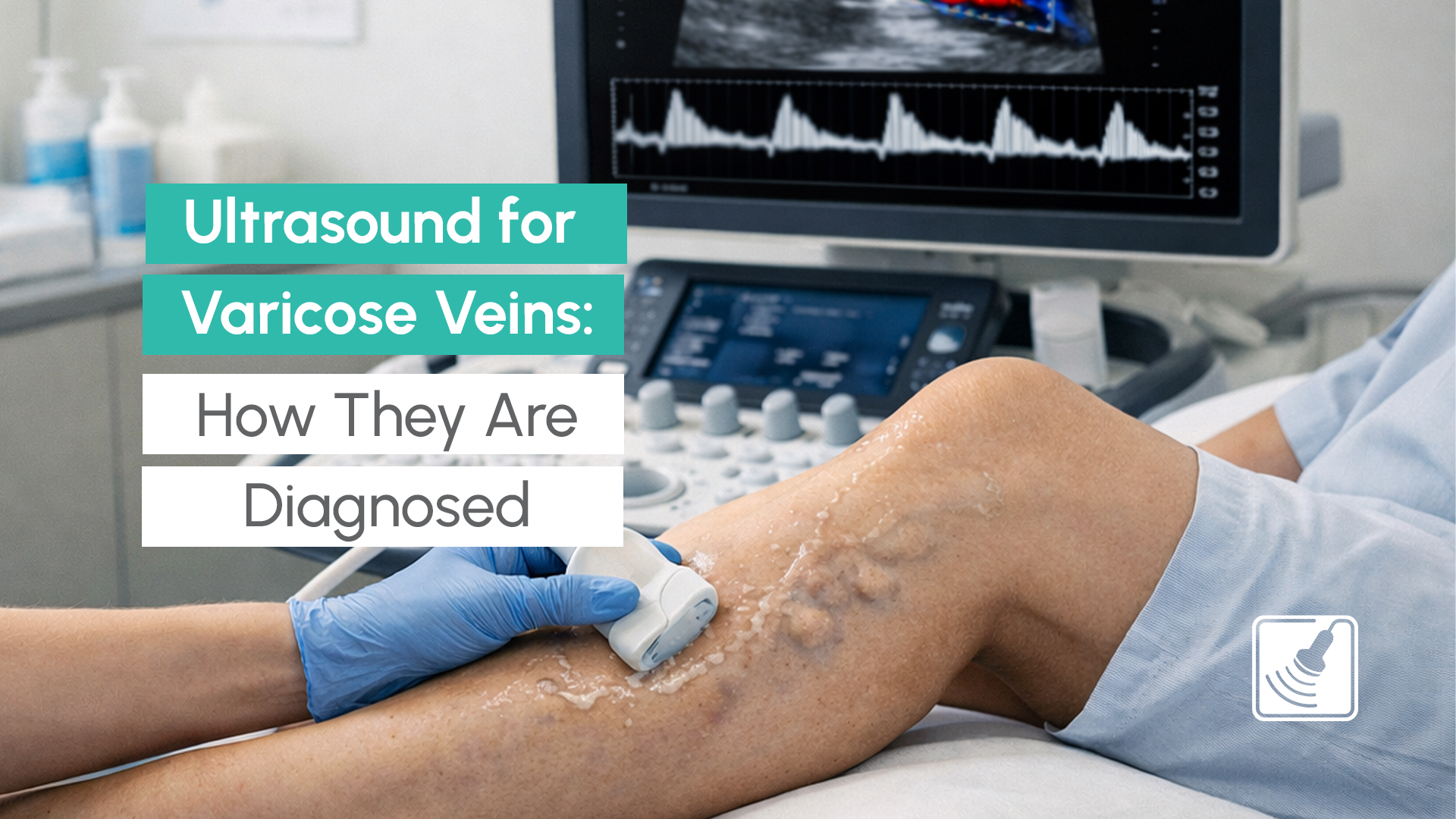
A varicose vein ultrasound is a specialised vascular scan that uses sound waves to examine the veins in your legs and assess blood flow. It is typically performed as a venous doppler ultrasound, which allows the sonographer to see whether blood is flowing normally or moving in the wrong direction.
Healthy veins contain small valves that help push blood back toward the heart. When these valves stop working properly, blood can begin to pool in the lower legs. This condition is known as chronic venous insufficiency leg disease and is one of the main causes of varicose veins.
A venous ultrasound helps detect:
Because it shows both the structure of the veins and the direction of blood flow, ultrasound is the preferred imaging method for assessing venous circulation.
Many people with vein problems first notice symptoms before visible varicose veins appear. These symptoms are often related to venous insufficiency symptoms, which occur when blood is not circulating efficiently through the veins.
Common symptoms include:
Some patients describe that their legs are feeling heavy or uncomfortable after walking or standing for extended periods. These symptoms may indicate venous insufficiency in the legs, which is why doctors sometimes recommend an ultrasound to investigate further.
Varicose veins can often be seen on the surface of the skin, but visual examination alone cannot determine how well the deeper veins are functioning.
A varicose vein ultrasound allows the sonographer to:
This is why a venous doppler ultrasound is often requested before treatments such as vein procedures or specialist consultations. The scan provides important diagnostic information that helps guide further management.
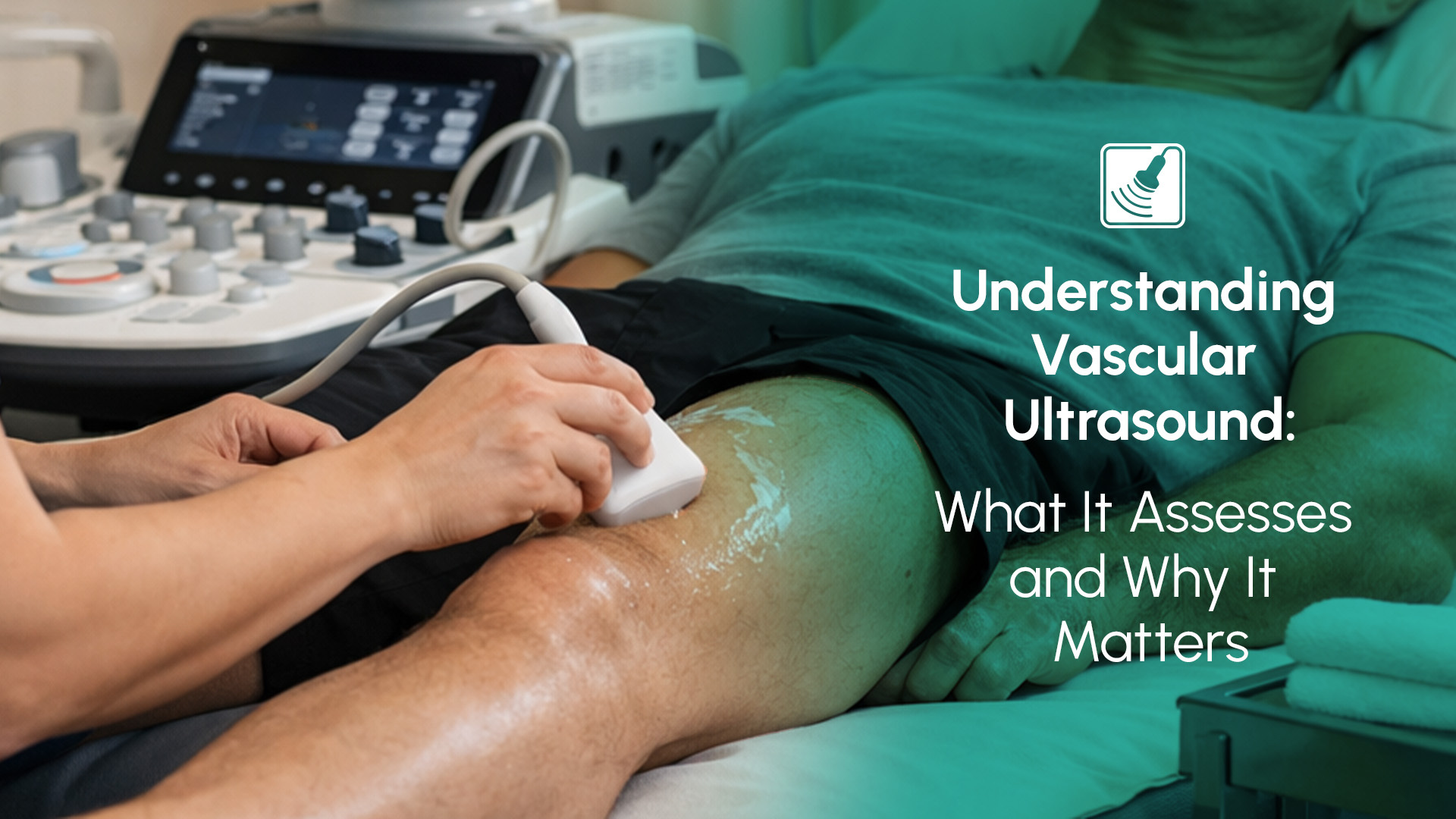
A venous ultrasound of the legs is a simple scan that usually takes around 10 – 20 minutes.
During the scan:
You may be asked to change positions or briefly tighten your leg muscles. These small movements help the sonographer assess how blood moves through the veins. Because the scan uses sound waves rather than radiation, it is considered a very safe imaging method.
Many people with varicose veins have some degree of chronic venous insufficiency leg disease. This occurs when vein valves weaken and blood struggles to travel efficiently back toward the heart.
Over time, increased pressure inside the veins can cause them to enlarge and become visible beneath the skin. Symptoms associated with venous insufficiency symptoms may include:
If you’d like to learn more about the causes and symptoms of varicose veins, Healthdirect provides a helpful overview on Varicose Veins here. This resource explains the condition in more detail, including risk factors and when to seek medical advice.
A doctor may refer you for a varicose vein ultrasound if you experience:
The scan helps determine whether symptoms are related to vein valve problems or another circulation issue.
Because symptoms such as legs feel heavy or persistent aching can have multiple causes, imaging is often the best way to confirm what is happening inside the veins.
If your doctor has recommended a varicose vein ultrasound, choosing a clinic with experience in vascular imaging can help ensure accurate results.
Capri Ultrasound, located on the Isle of Capri on the Gold Coast, provides diagnostic vascular imaging including venous doppler ultrasound examinations of the legs. These scans assess blood flow and help doctors investigate symptoms such as venous insufficiency, heavy legs, or varicose veins pain in the legs.
With a valid referral from your gp or specialist, many scans should also be eligible for bulk billed ultrasound appointments at Capri Ultrasound. If you’ve been experiencing symptoms such as heavy legs, visible veins, or ongoing discomfort in the legs, a referral from your GP can help determine whether a varicose vein ultrasound is appropriate.
To learn more or book an appointment, contact Capri Ultrasound on the Gold Coast and our team will be happy to assist.