

If you’ve noticed swelling in one leg but not the other, it’s natural to wonder what might be causing it. In many cases, this can be linked to circulation issues, inflammation, or fluid build-up. While some causes are mild, others may require medical assessment.
Understanding why this occurs can help you decide when it’s appropriate to seek further investigation, such as an ultrasound. Swelling that affects only one leg is often more noticeable and can feel different to general swelling that occurs in both legs.
A common question people ask is: what causes swelling in one leg only?
There are several possible explanations, including:
Unlike swelling that occurs in both legs, swelling in one may indicate a more localised issue affecting that specific limb.
Many people specifically search: why is only my left leg swelling?
In reality, whether it’s the left or right leg, the cause is usually related to how blood or fluid is moving through that limb. For example, swelling in the left leg may occur if there is:
The key point is that one-sided swelling often reflects something affecting that leg specifically, rather than a generalised condition.
Another common concern is ‘swelling in one leg below the knee’ and whether it could be serious.
In some cases, it’ being limited to the lower leg may be related to:
However, if swelling is sudden, persistent, or associated with pain, it may require further assessment to rule out more significant causes.
There are a few key conditions that may lead to this, including both common and more serious causes.
Venous insufficiency
This occurs when the veins have difficulty returning blood to the heart, leading to fluid build-up. Over time, this can result in chronic venous insufficiency in the leg, which may cause vein changes and visible swelling.
Deep vein thrombosis (DVT)
A blood clot in the deep veins can cause noticeable swelling in your leg. This is an important condition to rule out, particularly if symptoms develop suddenly or are accompanied by discomfort. You can read more about DVT and its symptoms on Healthdirect Australia here: Deep Vein Thrombosis (DVT)
Post-flight swelling
Many people notice leg swelling after flight or leg swelling after flying, especially after long periods of sitting. In most cases this settles, but persistent or one-sided swelling should still be assessed.
Injury or inflammation
Localised injury can also cause swelling, particularly if soft tissues have been affected.
Not all cases require urgent attention, but there are situations where it’s important to seek medical advice.
You may need further assessment if you notice:
Understanding what causes it in one leg only can help guide whether imaging is needed.
When the cause of leg swelling is unclear, ultrasound is often the first imaging test recommended.
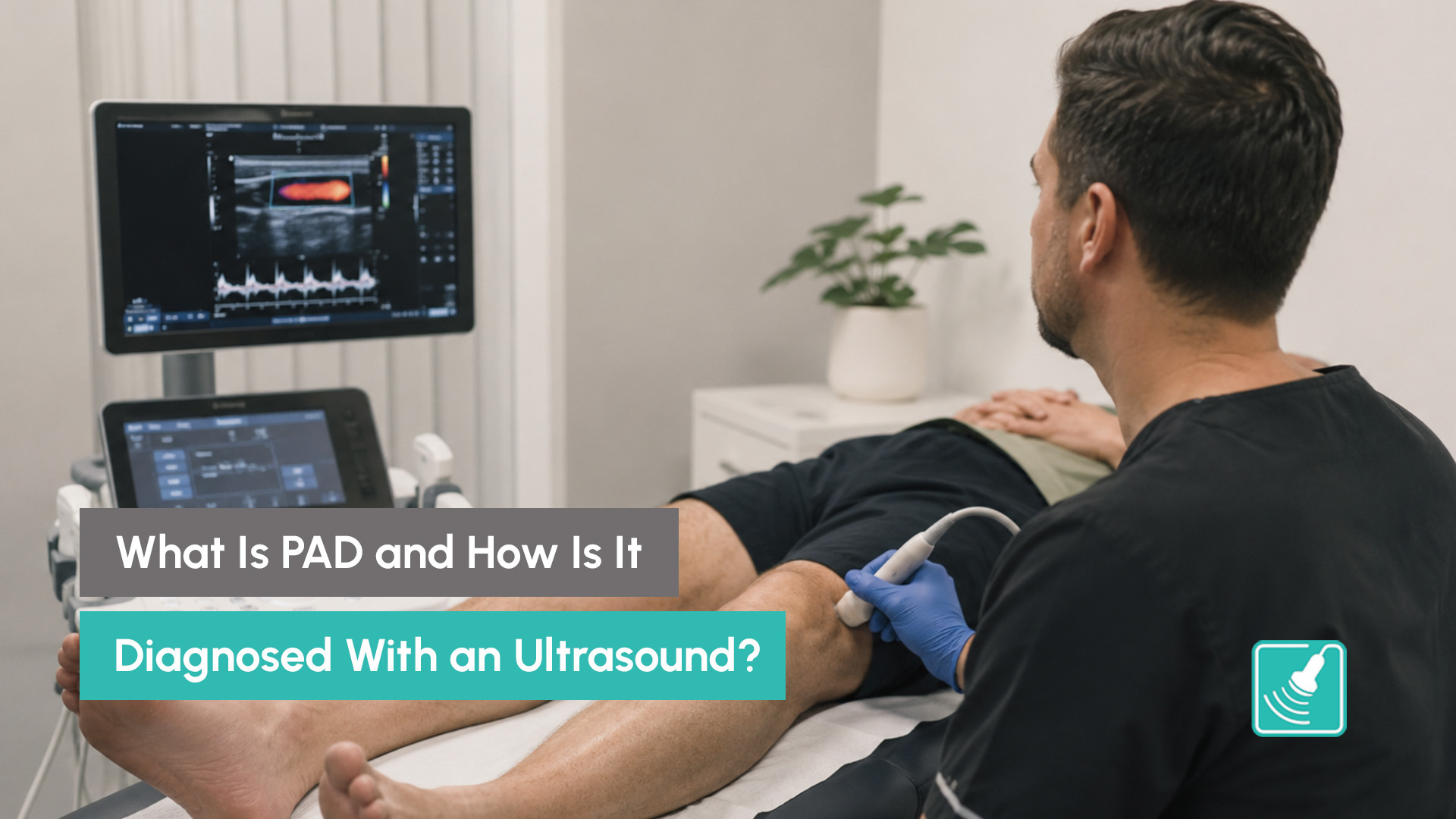
A vascular ultrasound or doppler ultrasound can assess how blood flows through the veins and arteries in the leg. This helps identify:
Because ultrasound provides real-time information and does not involve radiation, it is widely used to investigate these symptoms.
If you’re experiencing this, particularly symptoms that persist or don’t improve, your GP may recommend further investigation.
Capri Ultrasound, located on the Isle of Capri on the Gold Coast, provides diagnostic imaging including vascular ultrasound to assess circulation and investigate causes. With a valid referral, patients are eligible for many bulk billed ultrasounds, making it easier to access appropriate imaging when needed.
If you’ve noticed abnormal leg swelling or ongoing symptoms and are unsure of the cause, booking an ultrasound can help provide clarity and guide next steps.
To learn more or make a booking, contact Capri Ultrasound Gold Coast today.