

If you’re experiencing calf pain, it can be difficult to know whether it’s caused by a muscle issue or something related to circulation. In many cases, this pain may come from overuse or strain, but it can also be linked to conditions affecting blood flow in the legs. Understanding the possible causes of calf pain can help determine when further assessment, such as an ultrasound, may be needed. Because symptoms can overlap, it’s not always obvious what’s causing discomfort in the legs.
Calf pain is a common symptom that can result from a variety of conditions, ranging from mild muscle strain to more complex circulation problems.
Some of the most common causes include:
While many cases are harmless, persistent or unusual symptoms should be assessed, particularly if they do not improve with rest.
One of the most frequent reasons for this pain is muscle-related.
This may include:
People often notice symptoms such as stiffness, tenderness, or discomfort during movement. For example, pain after running or pain while running is commonly linked to muscular strain.
These types of injuries typically improve with rest and time, although persistent symptoms may still require further assessment.
Not all calf pain is muscular. In some cases, it may be related to poor circulation in legs, where blood flow is not moving efficiently through the arteries or veins.
This can lead to symptoms such as:
Circulation-related pain may behave differently from muscle pain. For example, it may consistently occur during certain activities and improve with rest alone.
A key circulation-related cause of calf pain is a condition known as intermediate claudication.
Claudication refers to pain caused by reduced blood flow in the arteries, often due to narrowing or blockage. It typically presents as discomfort in the calf that occurs during walking and improves with rest. This type of calf pain is important to recognise because it may indicate an underlying vascular issue.
Claudication is commonly associated with peripheral artery disease (PAD), where the arteries supplying the legs become narrowed. For a more detailed explanation of this condition, Mayo Clinic provides a helpful overview here: Peripheral artery disease (PAD)
Most cases of calf pain are not serious, but there are situations where further investigation is recommended.
You may need to seek medical advice if you experience:
In addition, broader symptoms such as when to worry about leg pain can include swelling, changes in skin colour, cold feet or unusual sensations.
Understanding these warning signs can help ensure appropriate assessment when needed.
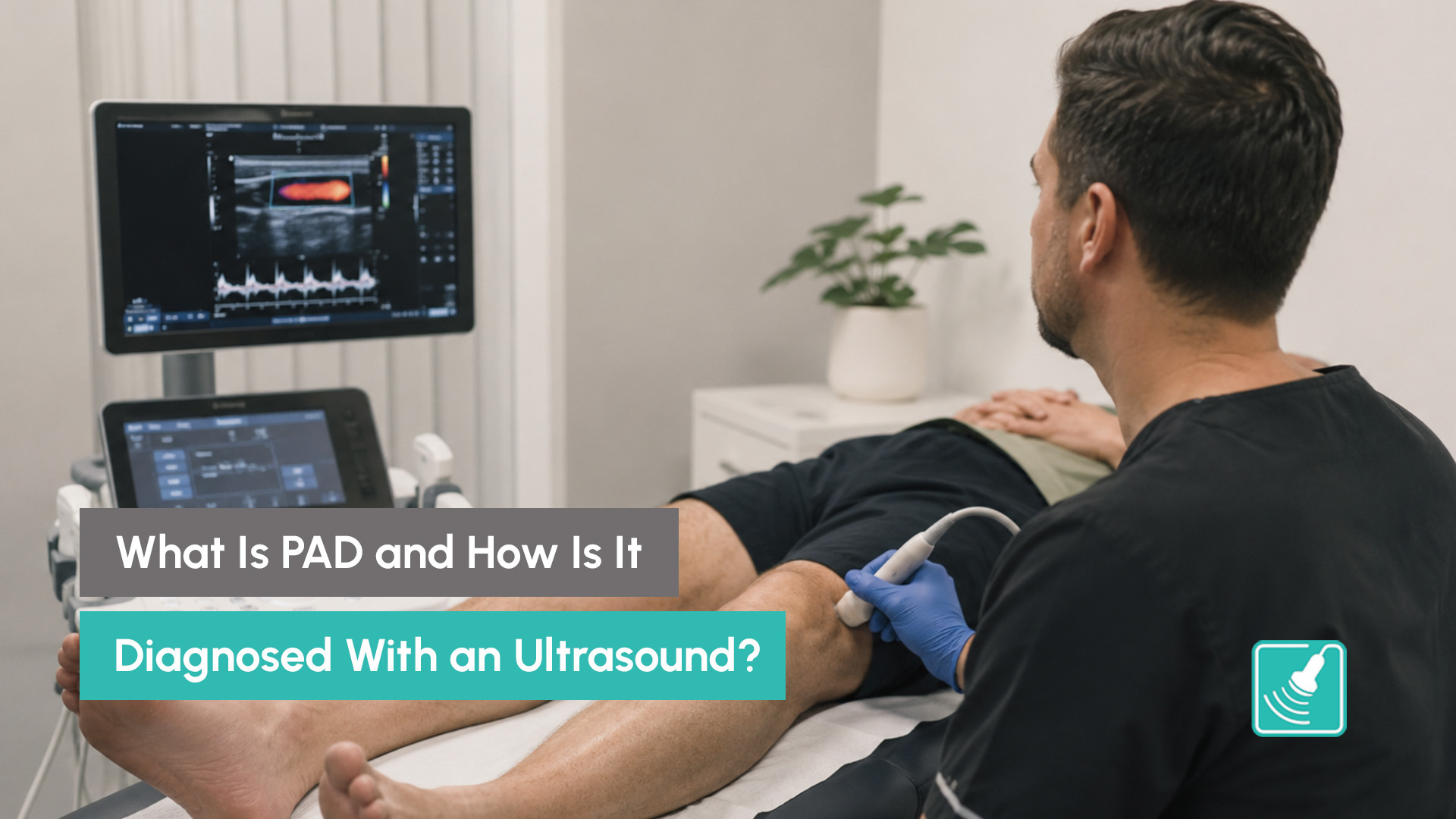
When the cause of calf pain is unclear, ultrasound is often used to investigate further. A vascular ultrasound or doppler ultrasound can assess blood flow in the arteries and veins of the legs. This helps determine whether symptoms are related to circulation issues such as poor circulation in legs or other vascular conditions.
Ultrasound can also help differentiate between muscle-related problems and underlying vascular causes, providing valuable information for your doctor. Because it is non-invasive and does not involve radiation, ultrasound is commonly used as a first-line imaging tool.
If you’re experiencing ongoing pain, particularly symptoms that occur during walking or do not improve, it may be worth discussing further investigation with your GP.
Capri Ultrasound, located on the Isle of Capri on the Gold Coast, provides diagnostic imaging including vascular ultrasound to assess circulation in the legs.
These scans can help investigate causes of pain, including poor circulation in legs and conditions such as intermediate claudication.
With a valid referral, many patients may be eligible for a bulk billed ultrasound, making it easier to access appropriate imaging when needed.
If you’ve been experiencing persistent calf pain or are unsure whether your symptoms may be related to circulation, booking an ultrasound can help provide clarity and guide the next steps in your care.
To learn more or make a booking, contact Capri Ultrasound Gold Coast today.