
If you’ve noticed visible veins or a heavy feeling in the legs, you may be experiencing venous insufficiency symptoms. This condition occurs when blood does not flow properly through the veins in the legs, often leading to discomfort, swelling, or varicose veins. Understanding venous insufficiency symptoms can help you recognise when it may be time to have your circulation assessed. Many people first notice subtle changes, such as tired or heavy legs, before more visible vein issues develop.
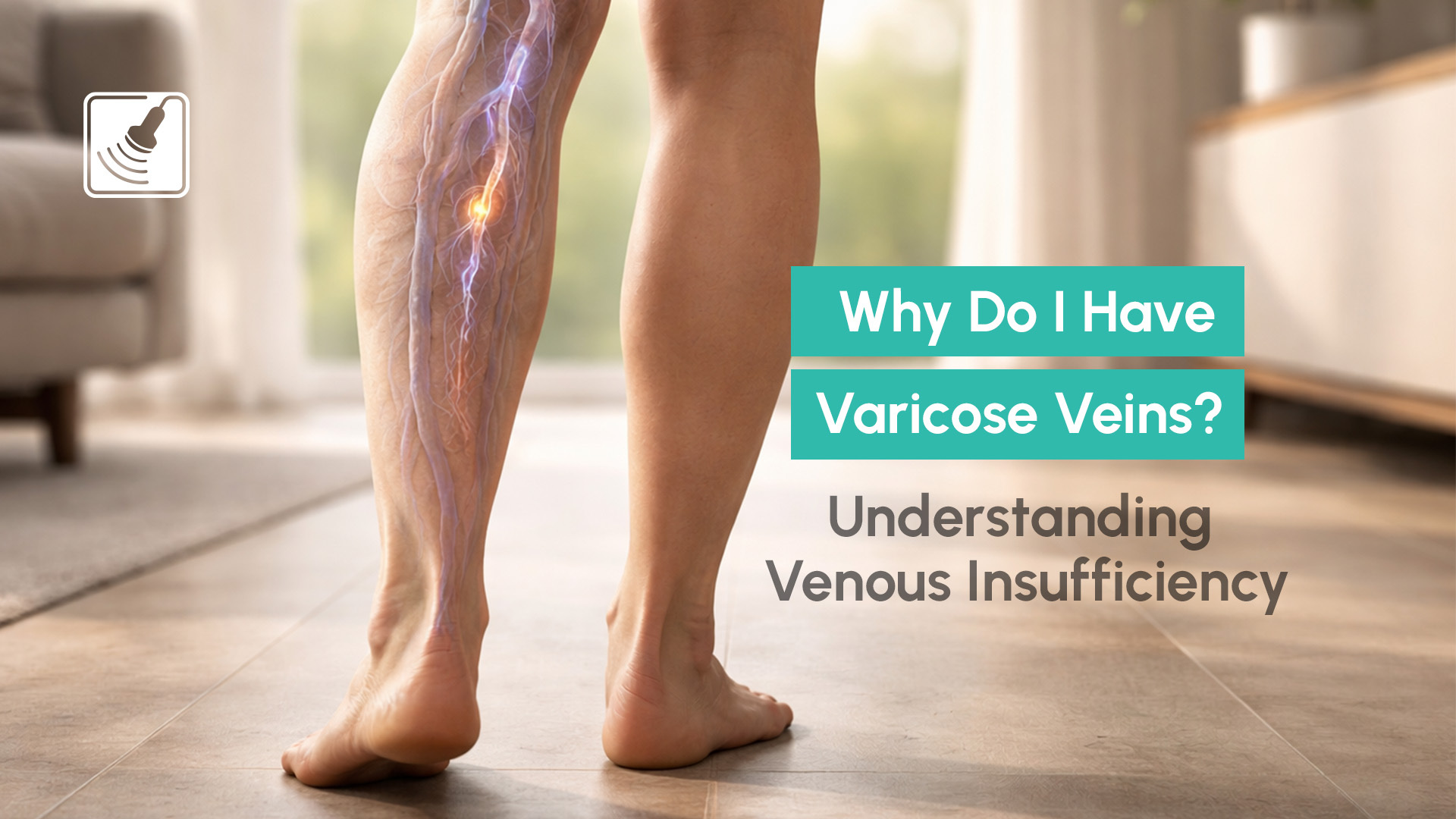
Venous insufficiency symptoms occur when the valves inside the leg veins are not functioning effectively. These valves are responsible for helping blood return to the heart, and when they weaken, blood can begin to pool in the lower legs.
Common symptoms of venous insufficiency include:
Some people also describe a heavy leg sensation or notice that their legs are feeling heavy after long periods of sitting or standing. These symptoms can vary from mild to more persistent and may gradually worsen over time.
A common question people ask is, why would my legs feel heavy? This sensation is one of the most recognisable venous insufficiency symptoms.
When blood is not efficiently pushed back toward the heart, it can collect in the veins of the legs. This increased pressure can lead to a feeling of heaviness, fatigue, or aching.
People experiencing this often report:
In some cases, even mild activity can trigger discomfort, particularly if the condition is in its early stages.
Venous insufficiency legs develop when vein valves become weakened or damaged. This can occur gradually over time and is often influenced by several factors.
Common contributing factors include:
Over time, this can lead to chronic venous insufficiency leg disease, where symptoms become more noticeable and persistent.
If you’d like to learn more about how this condition develops and progresses, Cleveland Clinic provides a detailed overview here on Chronic Venous Insufficiency (CVI).
In the early stages of venous insufficiency, symptoms are often mild and easy to overlook.
People may notice:
These early signs, sometimes referred to as early chronic venous insufficiency, can progress if not assessed. Because symptoms can be gradual, many people don’t realise that circulation changes are occurring in the background.
If you are experiencing ongoing venous insufficiency symptoms, it may be worth discussing your symptoms with your GP.
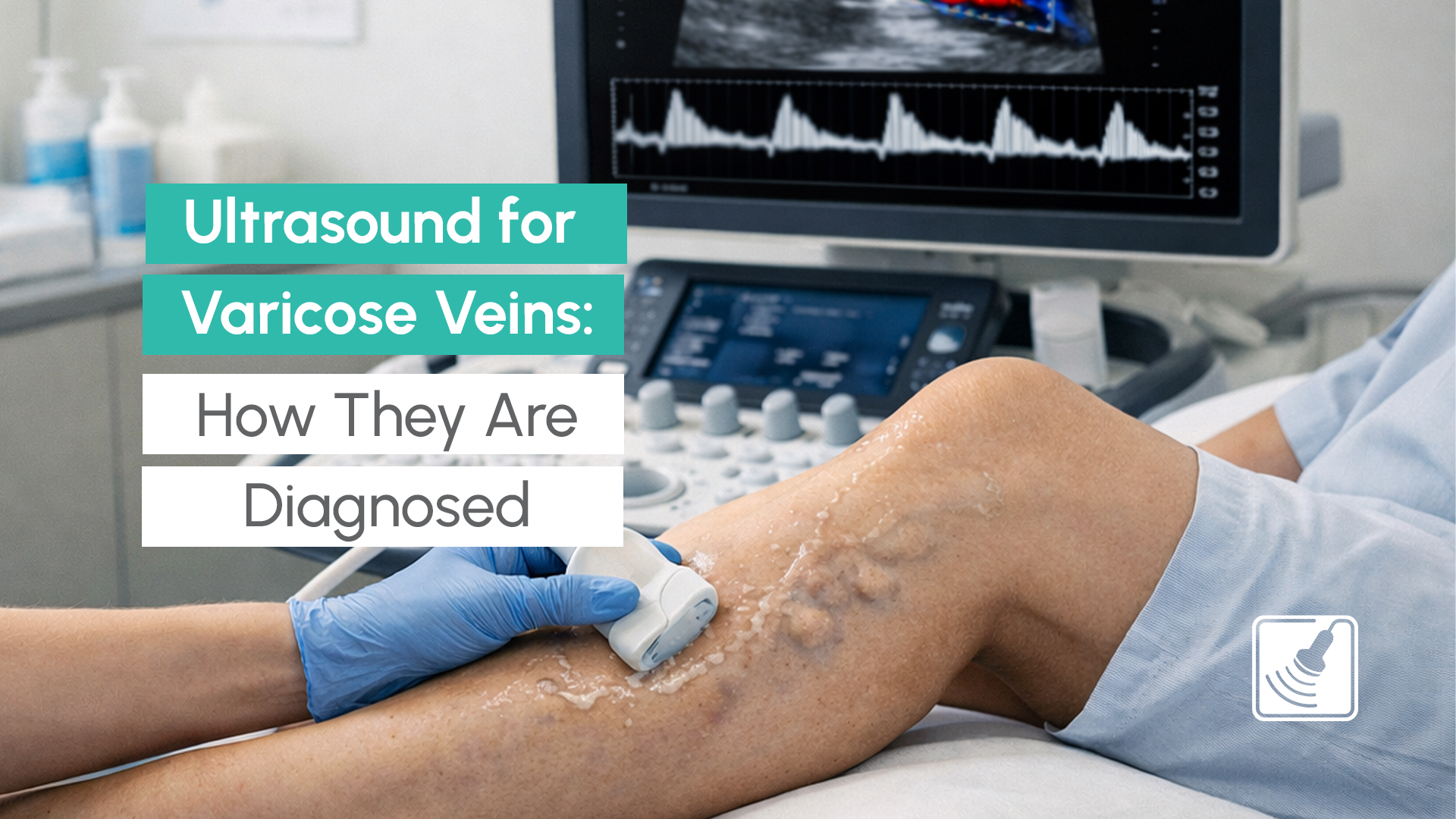
You may be referred for a venous ultrasound or venous doppler ultrasound, which is used to assess blood flow in the leg veins.
This type of scan can help:
Ultrasound is non-invasive and provides real-time information about how the veins are functioning. Early assessment can help clarify the cause of symptoms such as heavy legs or legs feel heavy, particularly when they persist.
When investigating venous insufficiency in legs, ultrasound is the preferred imaging method.
A venous ultrasound allows the sonographer to:
Because many conditions can cause similar symptoms, imaging helps provide a clearer picture of what is happening beneath the surface.
If you’re experiencing venous insufficiency symptoms such as heavy legs, or ongoing discomfort, your GP may recommend further investigation.
Capri Ultrasound, located on the Isle of Capri on the Gold Coast, provides diagnostic vascular imaging including venous doppler ultrasound to assess circulation in the legs. With a valid referral, patients are eligible for many bulk billed ultrasounds, making it easier to investigate symptoms early.
If you’ve noticed persistent heavy feeling in the legs or signs of venous insufficiency, booking an ultrasound can help provide clarity and guide next steps.To learn more or make a booking, contact Capri Ultrasound on the Gold Coast today.