


Note: We do not offer pregnancy or pelvis ultrasounds.
role of ultrasound

How Ultrasound Helps Guide Treatment Decisions

February 20, 2026

What role does ultrasound play in guiding treatment decisions?
Ultrasound is often one of the first imaging tests doctors use to diagnose a condition and determine the next step in care. It provides real-time images of organs, blood flow and soft tissues, helping doctors confirm a diagnosis, monitor progress, or decide whether further tests like MRI or CT are needed. In many cases, ultrasound directly influences whether treatment is conservative, surgical, or requires specialist referral.


The Role of Ultrasound in Diagnosis and Treatment Planning

The role of ultrasound in modern medicine goes well beyond simply “taking a picture.” It provides immediate clinical information that helps GPs and specialists make informed decisions about patient care.

Because ultrasound is non-invasive, radiation-free and readily accessible, it is frequently used as an initial investigation. From abdominal pain to joint injuries, ultrasound helps narrow down potential causes so treatment can begin sooner.

For example:

  • An ‘abd ultrasound’ may confirm gallstones or kidney issues, guiding whether medication, monitoring or surgical referral is appropriate.
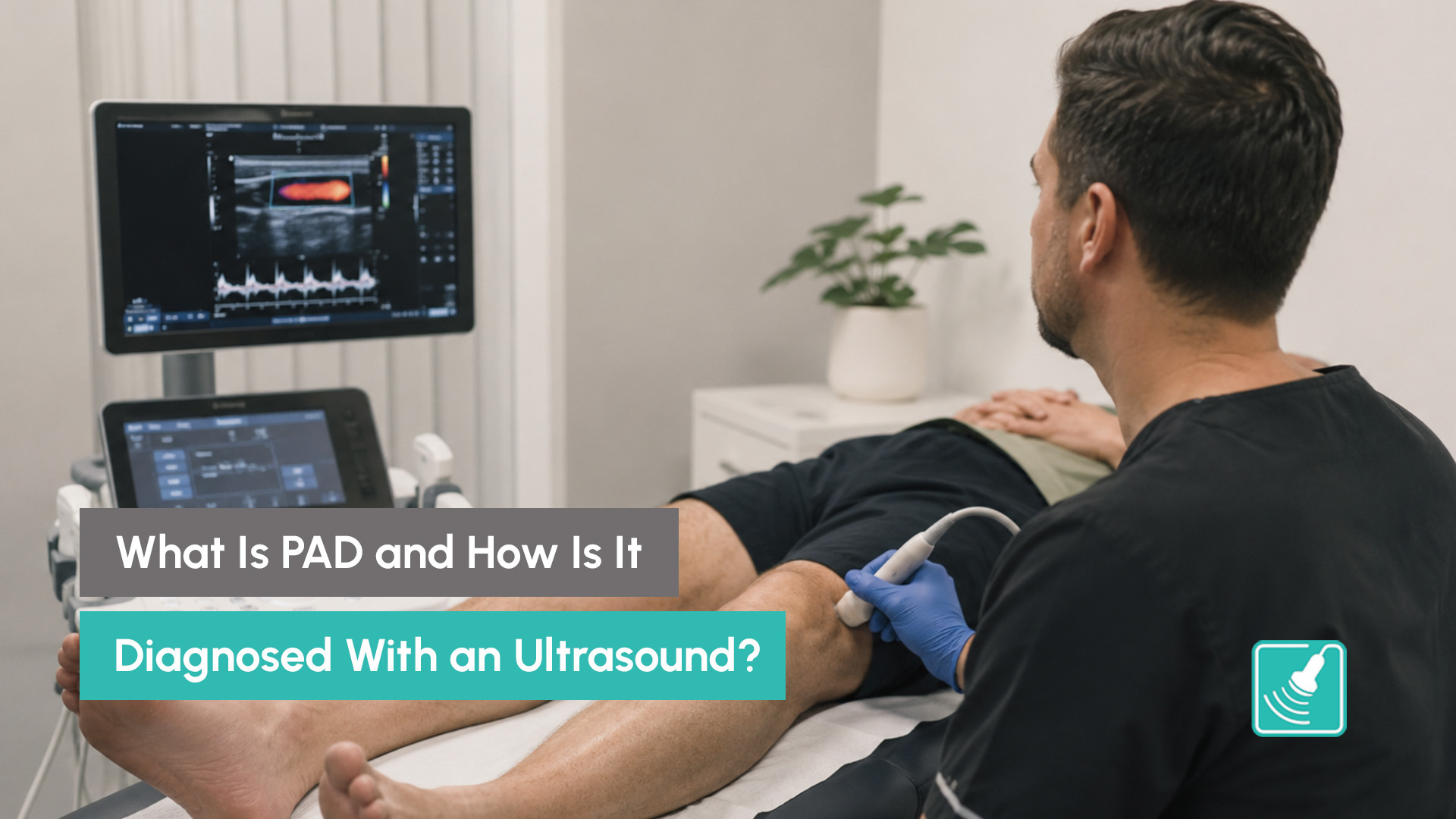
  • A vascular ultrasound can assess blood flow in the legs or neck, influencing decisions around medication, management or further specialist review.
  • An ultrasound for shoulder pain may determine whether symptoms are due to tendon inflammation, bursitis, or a tear, each requiring different management.

Rather than delaying care, ultrasound often speeds up the pathway to the right treatment.


Ultrasound vs CT Scan or MRI: How Doctors Decide

Patients sometimes wonder about ‘ultrasound vs CT scan’ or ‘mri vs ultrasound’ when imaging is recommended. The choice depends on what your doctor needs to assess.

Ultrasound is particularly useful for:

  • Soft tissue injuries
  • Abdominal organs
  • Blood flow assessment
  • Pelvic conditions
  • Real-time dynamic movement (such as shoulder or tendon scans)

CT and MRI may be used when deeper structures or more complex anatomy need to be visualised. However, in many scenarios, ultrasound provides sufficient information to guide the next step without the cost, radiation (in the case of CT), or longer wait times. Understanding the difference between ct, mri and ultrasound is part of medical decision-making. Ultrasound is often chosen first because it is efficient, safe and highly effective for many common presentations.

If you’d like to learn more about how different types of diagnostic imaging are used in healthcare, you can read more about imaging explained here.


How Ultrasound Influences Real Treatment Decisions

Ultrasound findings don’t exist in isolation, they are interpreted alongside your symptoms, medical history and physical examination.

Here’s how imaging directly guides management:

  • Confirming or Ruling Out Conditions: If someone presents with suspected kidney stones, an ultrasound and kidney stones assessment may confirm obstruction or swelling or it may rule it out. This helps determine whether conservative management is appropriate, a different test is needed or if urgent referral is required. Similarly, an abdominal ultrasound can identify whether there are gallstones causing inflammation of the gallbladder, helping a GP decide whether a surgical referral, monitoring or, if gallstones are ruled out, a different test to investigate other possible causes of the symptoms is required.


  • Guiding Conservative Management: For musculoskeletal injuries, such as tendon pain, an ultrasound for shoulder can show inflammation versus tearing. This distinction affects whether treatment involves physiotherapy, rest, injection therapy or surgical opinion.


  • Monitoring Chronic Conditions: In some cases, ultrasound is used to monitor progression rather than initiate treatment. A vascular ultrasound, for example, may track blood vessels narrowing over time, allowing doctors to adjust medication or lifestyle recommendations appropriately.


  • Determining When Further Imaging Is Needed: Sometimes ultrasound answers the question entirely. Other times, it identifies when a more advanced scan is appropriate. Rather than replacing MRI or CT, ultrasound often acts as the first, most practical step in the imaging pathway.


Why Experience Matters in Ultrasound Interpretation

Because ultrasound is operator-dependent, the quality of the examination plays a significant role in how confidently treatment decisions can be made. At Capri Ultrasound, scans are performed with a strong focus on clinically relevant imaging ensuring that what is examined directly relates to your symptoms and referral question. This outcome-driven approach helps referring doctors receive reports that are clear, precise and useful for medical management.

Whether it’s an abd ultrasound, pelvic ultrasound, or vascular ultrasound, accurate imaging supports better treatment planning.


Supporting Better Outcomes on the Gold Coast

For patients and referring doctors on the Gold Coast, access to timely imaging can make a significant difference. When ultrasound is used appropriately, it can:

  • Reduce unnecessary additional testing
  • Provide clarity sooner
  • Help avoid delays in care
  • Support evidence-based treatment decisions

By understanding the role of ultrasound in guiding care, patients can feel more confident about why a scan has been requested and what it means for their treatment plan.


Book an Ultrasound with Confidence

If your GP or specialist has recommended imaging, knowing how ultrasound contributes to treatment decisions can provide reassurance and clarity. At Capri Ultrasound, located in Isle of Capri on the Gold Coast, we provide high-quality diagnostic imaging with timely reporting to support your ongoing care. Medicare card holders are bulk billed with a valid GP or specialist referral.

If you’ve been referred for an ultrasound, you can book online or contact our team today to arrange your appointment. 👉 Book your ultrasound with Capri Ultrasound and take the next step toward informed, confident care.

Recent Articles

Need More Information?

If you need to book an ultrasound, Contact Us Today. We’re here to help with any questions or concerns you may have.
© 2026
Capri Ultrasound. All rights reserved.
Protected by reCAPTCHA - Privacy | Terms
Developed by

Attendance and Late Cancellation Policy

As a bulk-billing practice, we are deeply committed to providing accessible, high-quality healthcare to our community. To sustain this service, we rely on our appointments being filled. When an appointment is missed or cancelled at the last minute, it results in lost resources that make it increasingly difficult for us to maintain our bulk-billing model for everyone.
To help us continue serving the community efficiently, please note our policy regarding attendance:
  • Timely Cancellations: If you are unable to attend your scheduled appointment, we kindly ask that you provide us with as much notice as possible so that we may offer the time slot to another patient in need.
  • Booking Limitations: Patients who miss their appointments without notice (no-shows) or cancel on short notice may have their future booking privileges suspended at our practice.
  • Our Discretionary Approach: We understand that genuine emergencies and unforeseen circumstances occur. Decisions regarding future bookings are made at management’s discretion, thoughtfully taking into account the specific situation and your past attendance history.
Thank you for your cooperation and for partnering with us to keep essential medical imaging bulk-billed and accessible to all.

2. Patient Behaviour Policy
We understand that undergoing medical imaging can be an anxious and stressful experience, and our team is fully dedicated to supporting you with care and empathy. However, creating a safe, calm, and respectful environment for our staff and other patients is our utmost priority.
To ensure our practice remains a safe space for everyone, we observe a strict Zero Tolerance Policy:
  • Professional Boundaries: We expect all interactions with our team whether in person, over the phone, or via digital communication—to be respectful. Rude, aggressive, abusive, demanding, or entitled behaviour will not be tolerated under any circumstances.
  • Service Discontinuation: Our staff have the right to work in a safe environment free from hostility. Patients who exhibit unacceptable behaviour will be asked to leave immediately and will no longer be permitted to book future appointments with our clinic.
We appreciate your understanding and cooperation in keeping our clinic a safe, polite, and welcoming environment for everyone.