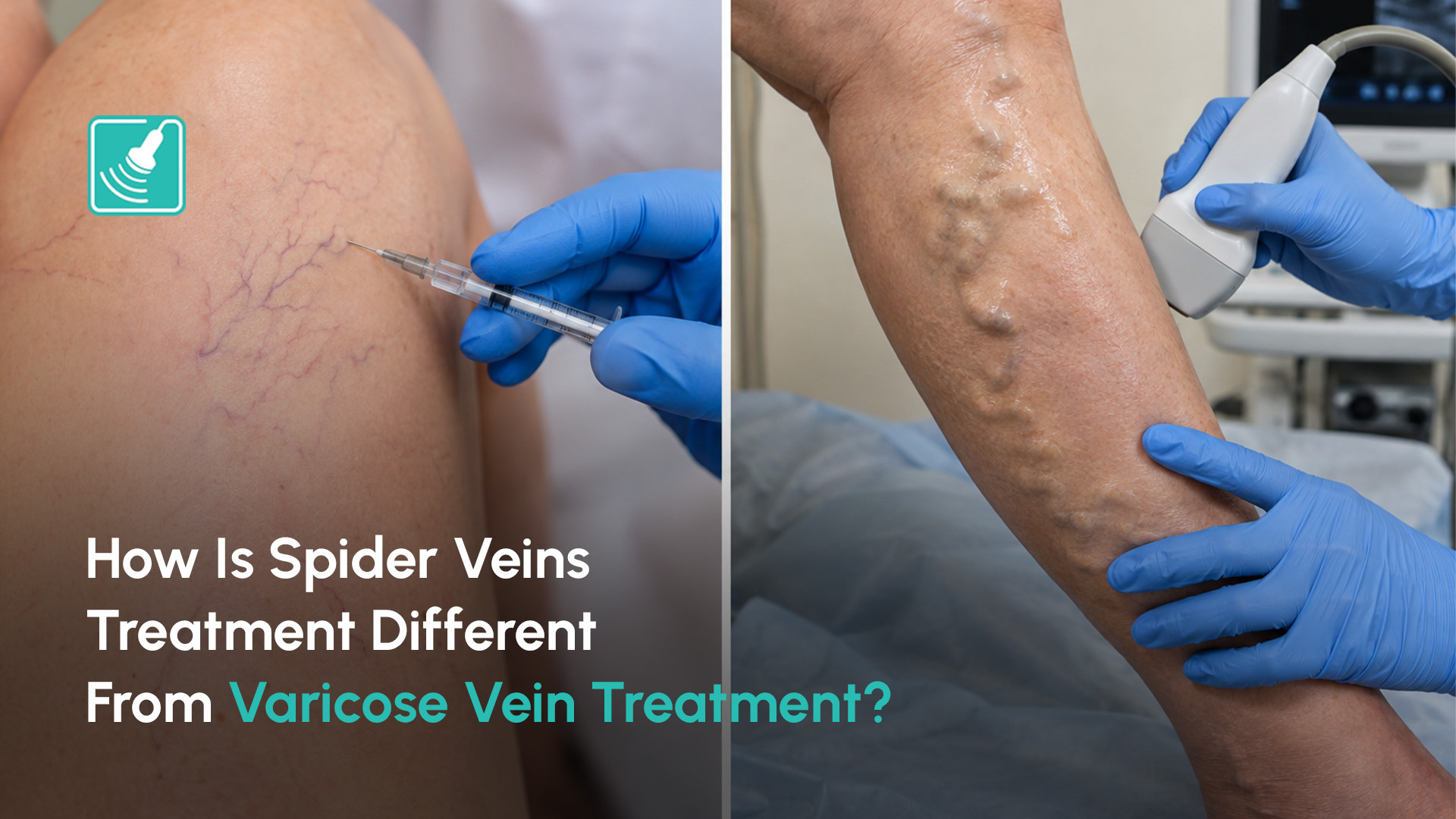

Chronic venous insufficiency is a condition where the valves inside your leg veins stop working properly, disrupting proper blood to flow backward and pool in the lower leg instead of moving efficiently back toward the heart. It is the underlying mechanism behind most cases of varicose veins, and over time it can cause aching, swelling and skin changes if left unchecked. At Capri Ultrasound on the Gold Coast, we perform the venous ultrasounds used to diagnose this condition and assess how significant the valve failure actually is. Varicose veins are treated by phlebologists such as Dr. Nicholas Teo of the Better Veins Clinic or a vascular surgeon.
If your doctor has mentioned chronic venous insufficiency, or you are trying to understand why your legs ache or swell by the end of the day, here is what is actually going on.
Veins in the leg rely on small one way valves to keep blood moving upward against gravity, with the calf muscles acting like a pump to help push blood along. When these valves weaken or fail, blood can flow backward and collect in the vein rather than continuing on toward the heart. This is more common with age, prolonged standing or sitting, pregnancy, obesity and a family history of vein problems. Queensland Health notes that venous disease is a common reason for referral to a vascular service, and it becomes more frequent the older a person gets.
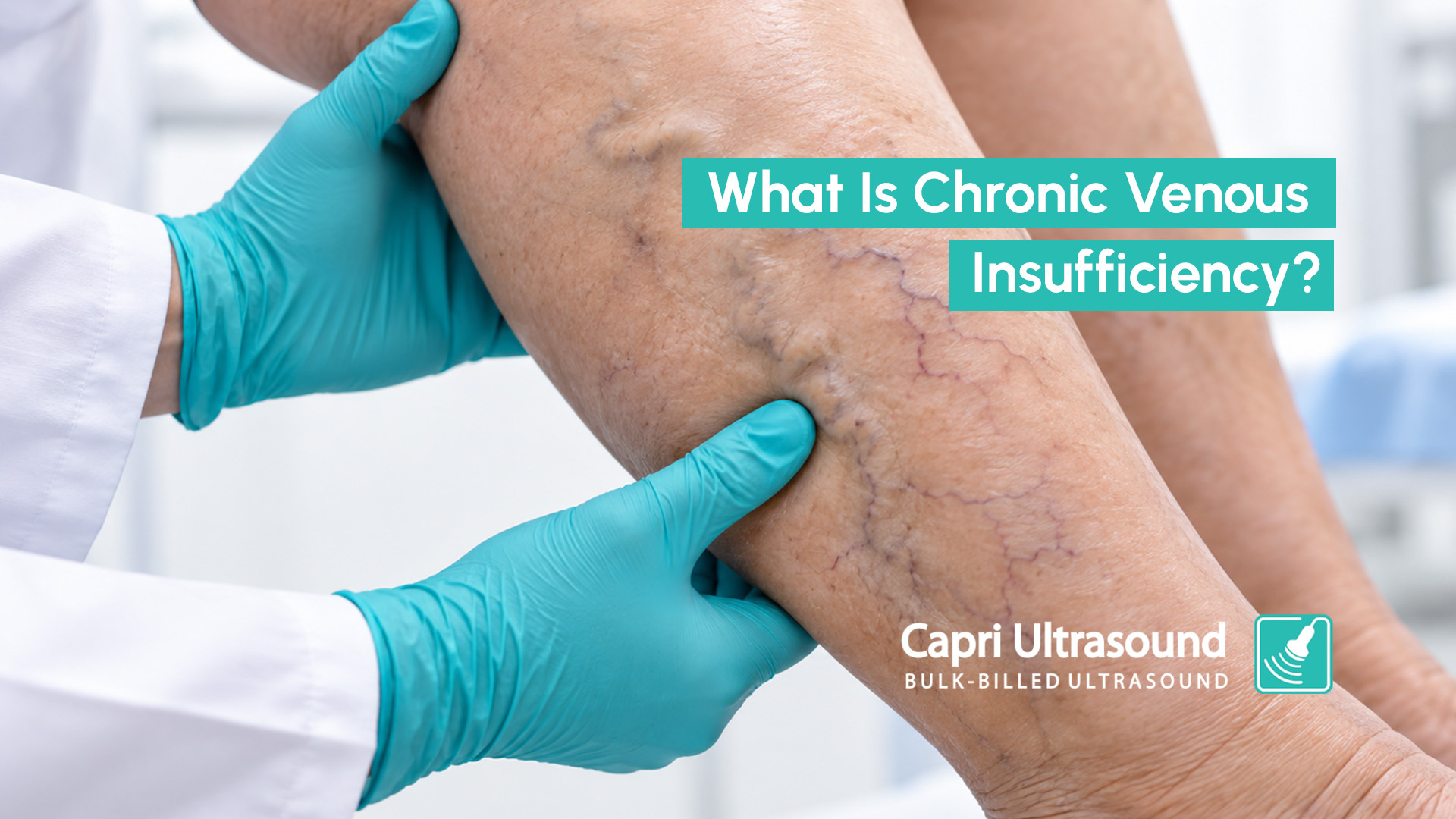
Common symptoms include aching, heaviness or tiredness in the legs, especially by the end of the day, along with swelling around the ankles, visible varicose veins, and skin changes such as discolouration or dryness over time. Ulcers can form on the lower half of the lower leg. Some people also notice cramping at night or a tight, itchy feeling in the lower leg. Symptoms often build gradually, which is part of why the condition can go unrecognised for years before someone mentions it to their doctor.
Varicose veins are often the visible result of chronic venous insufficiency, rather than a separate problem entirely. When the valves in the deeper or connecting veins fail, the increased pressure is passed down to the smaller veins closer to the skin surface, which is what causes them to bulge and become varicose. This is why treating a varicose vein on its own without understanding the valve failure behind it can mean the problem returns. Our varicose vein ultrasound page explains this connection in more detail, along with what the scan itself involves. Further information can also be obtained at the Better Veins Clinic website.
Generally, no. Chronic venous insufficiency is a quality of life condition rather than a life threatening one, and most people manage it for years with monitoring and simple measures such as compression stockings and staying active. Complications like venous ulcers or skin breakdown can occur in more advanced, untreated cases, and are worth taking seriously, but the condition itself is not typically something that shortens a person’s life. The main reason to get it checked is comfort and preventing it from progressing, not because it poses an immediate serious risk.
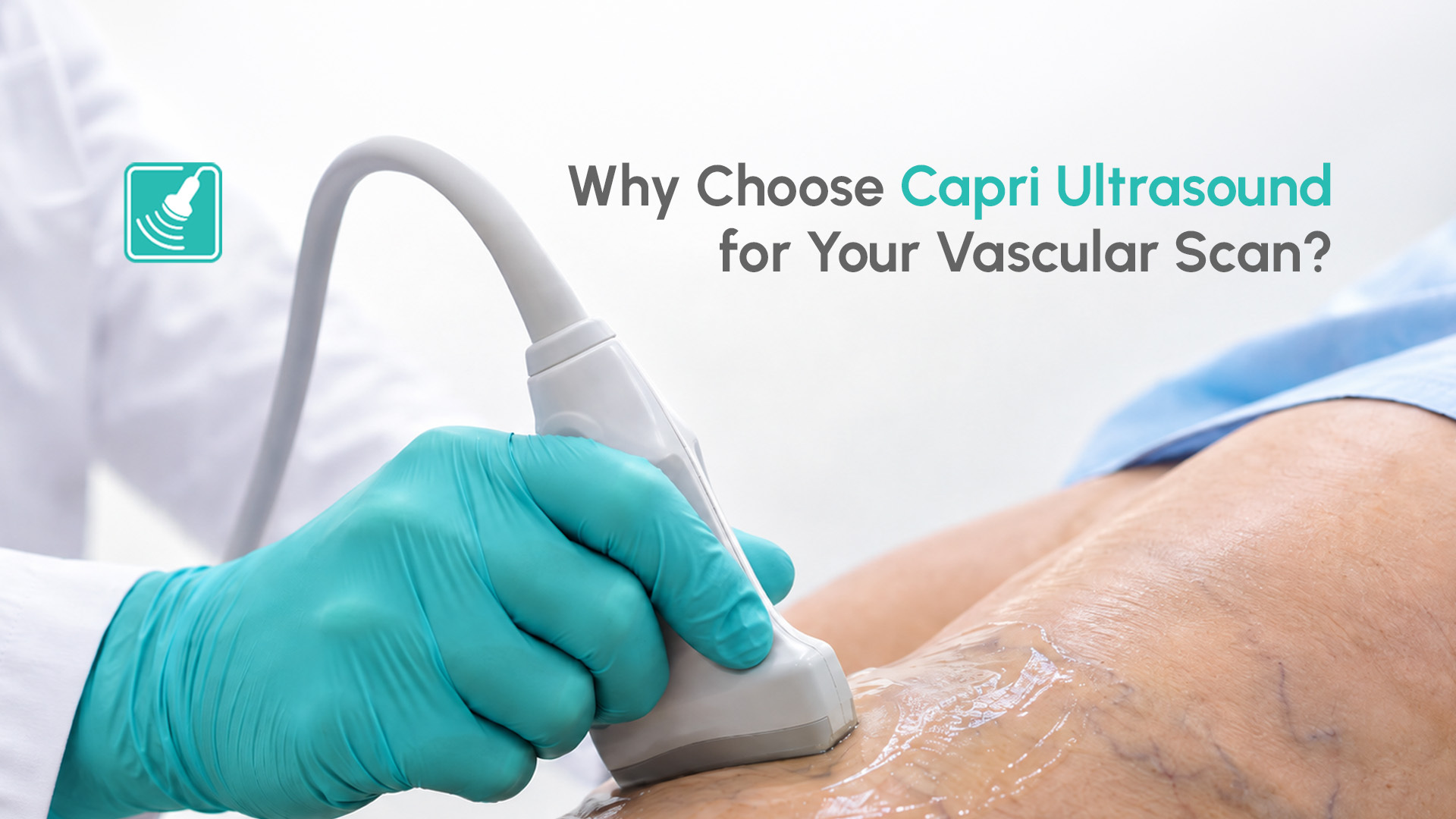
An ultrasound, specifically a venous duplex study, is the standard way to assess chronic venous insufficiency. The scan checks how blood is flowing through the veins and identifies exactly where valves are failing and how significant the reflux is. Our sonographer has over 20 years of experience with vascular ultrasound and has worked closely with multiple vascular surgeons and a phlebologist, which matters for a scan that relies on correctly interpreting subtle blood flow patterns. The Better Health Channel notes that vein problems are generally assessed by examining the affected area alongside imaging, since appearance alone does not always reflect how much the deeper veins are involved. This is why an ultrasound often reveals more than a visual examination can.
Treatment depends on severity. Milder cases are often managed with compression stockings, regular movement, and elevating the legs when resting. More significant cases may be referred to a phebologist (see Better Veins Clinic for more information) or vascular surgeon to discuss options such as sclerotherapy or endovenous procedures for the affected veins. Your doctor will use the ultrasound findings to decide which approach makes sense for your particular situation, rather than treating every case the same way.
Yes, a valid referral from a GP, phlebologist or other specialist is needed for the scan to be bulk billed. It is worth knowing that this referral is valid at any imaging provider, not just one specific clinic, so where you choose to have the scan done is entirely up to you. Most Gold Coast providers charge a gap fee on top of Medicare for these scans, which can be up to $320-$374 (depending on Medicare acceptance of a second Medicare item number) for a single leg. Due to how Medicare rebates work, the gap fee will be substantially more than double if two legs are scanned on the same day. So it is worth checking this before booking elsewhere.
If you have been referred for a venous ultrasound, or you are dealing with ongoing leg aching, swelling or visible veins and want to understand what is actually happening, getting a proper scan is the clearest way to find out. Medicare card holders are bulk billed for eligible scans with a valid referral at Capri Ultrasound. Get in touch if you have a referral in hand, or speak with your GP about whether a venous ultrasound is the right next step for you.