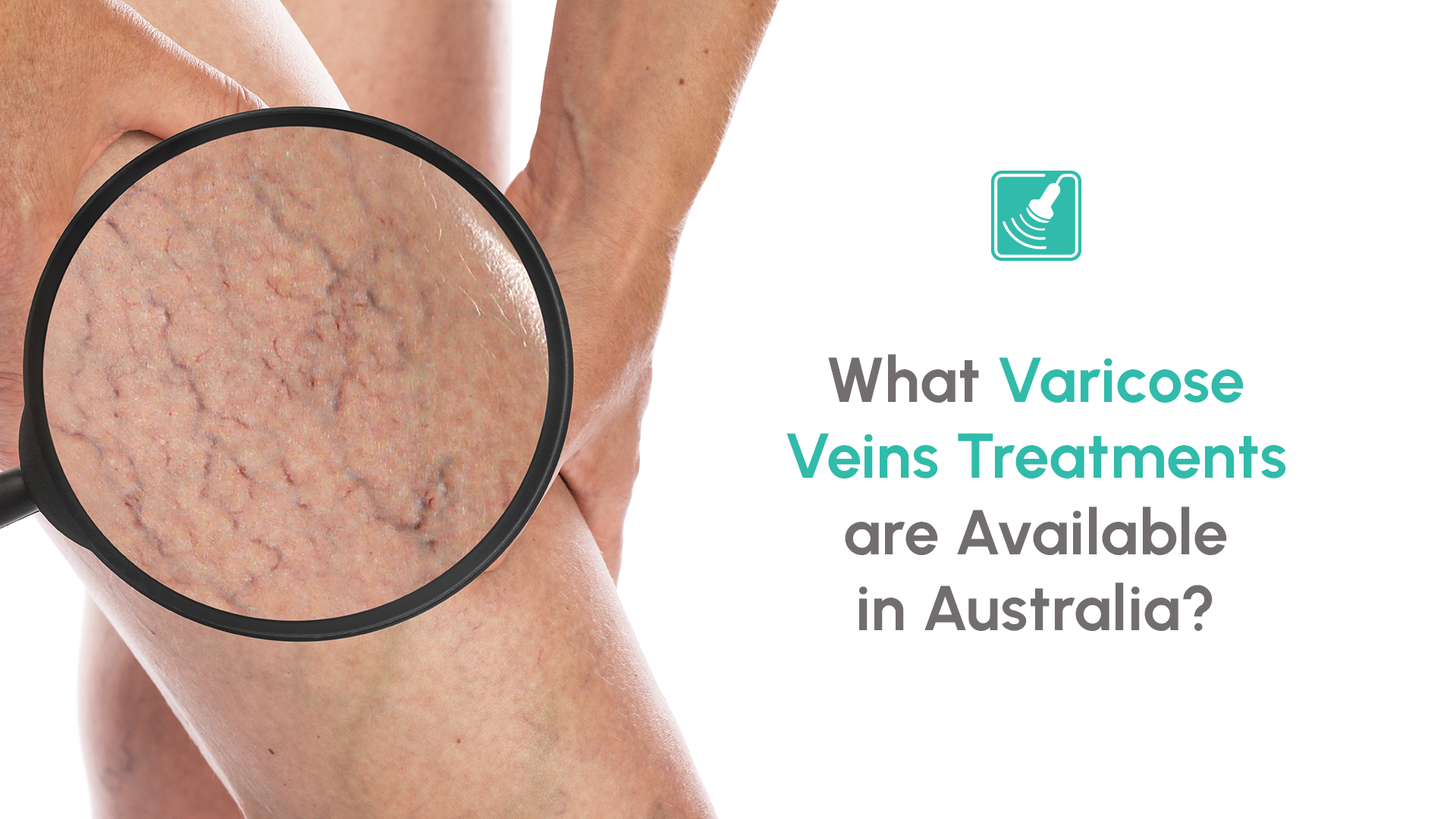

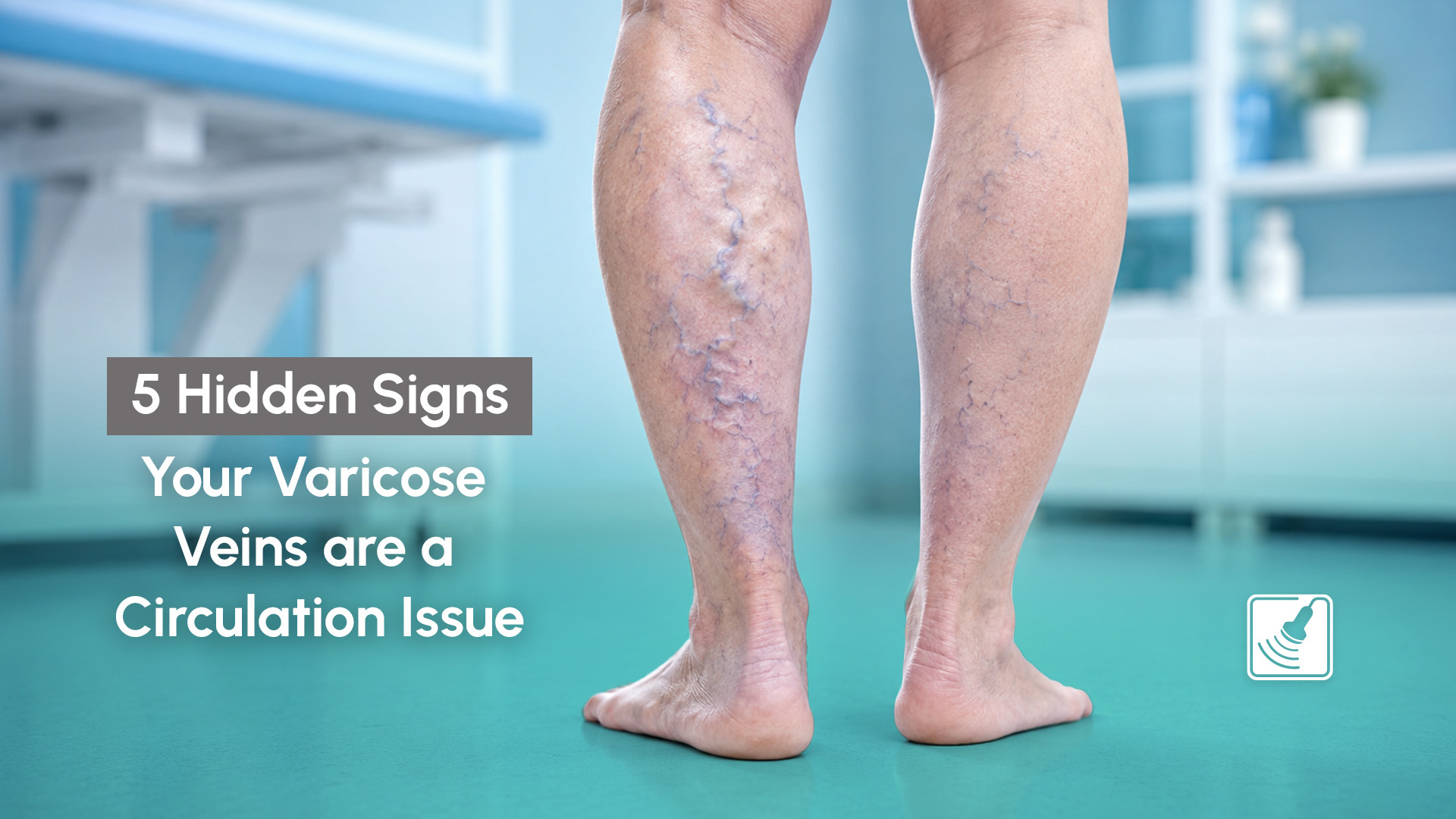
Many people view bulging blue or purple leg veins as a normal part of getting older or a cosmetic annoyance to be covered up during summer. However treating these visible signs as a purely aesthetic issue can cause you to miss deeper underlying health developments. Those twisted surface vessels are often the outward symptom of a structural failure deep within your circulatory system.
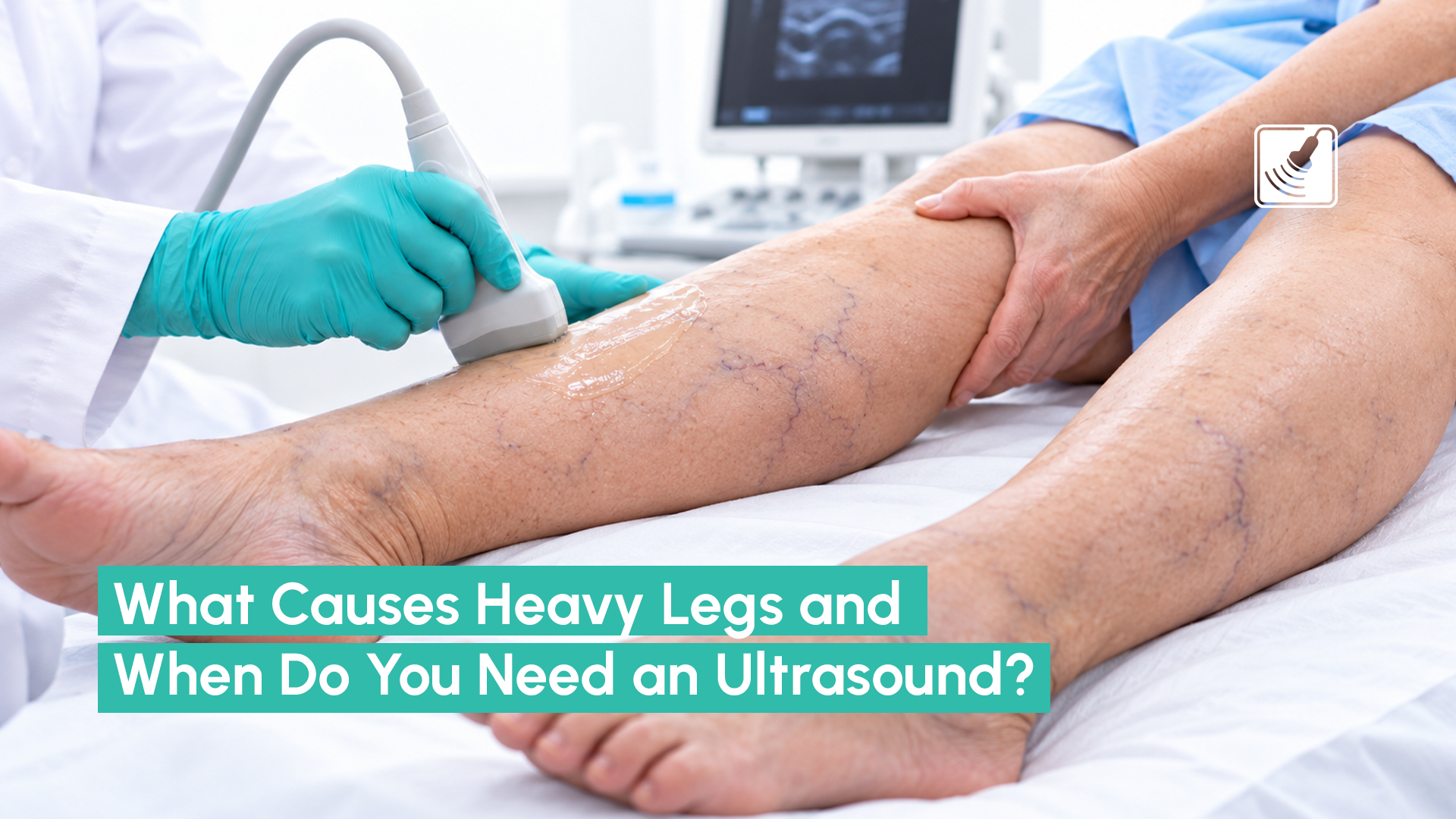
When the tiny valves in your leg veins weaken or fail, blood flows backward and pools in your lower limbs instead of moving efficiently up toward your heart. This medical condition is known as venous reflux or chronic venous insufficiency and it can lead to progressive tissue damage if left unchecked. To prevent long term complications you need to look beyond the surface appearance. Understanding the hidden symptoms of circulation failure can help you identify when it is time to seek professional diagnostic imaging. Undertaking a formal varicose vein ultrasound maps your deep venous system providing your GP or specialist with the exact data needed to plan an effective targeted treatment.
One of the earliest and most frequently ignored signs of a deeper circulation issue is a persistent feeling of weight or fatigue in your legs. You might notice that your limbs feel unusually heavy or tired by the end of the day even if you have not engaged in strenuous physical activity. This sensation is often described as feeling like you are walking through water or carrying weights around your ankles.
This heaviness occurs because failed venous valves allow blood to pool under the force of gravity. The constant accumulation of stagnant fluid exerts continuous pressure on the surrounding tissues and muscles. If your legs consistently ache or feel exhausted after standard periods of standing or sitting it is a strong indicator that your deep veins are struggling to pump blood efficiently against gravity.
Experiencing painful leg cramps or a continuous deep throbbing sensation when you lie down to sleep is another classic indicator of venous reflux. Many individuals mistake these symptoms for simple muscle fatigue, low magnesium levels or restless legs syndrome. However if these cramps are accompanied by visible surface veins the root cause is highly likely to be circulatory.
When you rest at night the lack of active calf muscle contraction means that pooled blood and metabolic waste products remain trapped in the lower limbs for longer periods. This localised fluid build up stretches the vein walls and irritates the surrounding nerve fibers triggering painful spasms and involuntary contractions. Ignoring these nightly disturbances allows the structural weakness in your vessels to progress.
Occasional puffiness in your feet after a long flight or during hot summer weather can happen to anyone. However regular symmetrical or one sided swelling around your ankles and lower calves is a definitive sign of advanced venous pooling. This condition is caused by high pressure within the failed veins forcing watery fluid out of the blood vessels and into the surrounding soft tissues.
You can often identify this type of swelling by the deep indentations left in your skin after removing socks or shoes. Over time this fluid retention can become chronic making it difficult to wear your favourite footwear comfortably. Because swelling restricts healthy localised blood supply it is vital to have your deep venous pathways thoroughly evaluated by a professional imaging specialist.
When venous reflux remains untreated for an extended period the constant pressure and poor oxygenation can cause noticeable changes to the skin on your lower legs. You might notice areas of your skin becoming dry, itchy, flaky or unusually shiny. In more advanced stages the skin around your inner ankles can take on a rusty brown or dark red discolouration.
This pigmentation change happens because iron from pooled red blood cells stains the surrounding skin tissues from the inside out. If left unmanaged this weakened thin skin becomes highly susceptible to minor injuries, breaks and slow healing sores known as venous ulcers. Noticing any structural or pigment changes in your skin means your varicose veins have progressed far beyond a cosmetic concern.
A lesser known but highly disruptive symptom of chronic venous pooling is an intense deep itching sensation directly over or around your varicose veins. This discomfort is often accompanied by an irresistible urge to constantly move your legs to find relief especially when resting.
The itching is caused by an inflammatory response triggered by the trapped blood products irritating your cutaneous nerves. Many people waste time applying topical moisturizers or steroid creams to the surface without realising the itch is originating deep within a failing circulatory pathway. True relief can only be achieved by addressing the underlying structural pressure.
The most critical step in resolving these hidden symptoms is obtaining an accurate three dimensional picture of how your blood is flowing. Surface visual checks are completely inadequate because they cannot reveal what is happening inside your deep venous system or identify which specific valves have failed.
At Capri Ultrasound we specialise in performing highly advanced venous duplex scans to uncover the exact source of your circulatory discomfort. Our independent clinic provides specialized non corporate care ensuring you receive a meticulous comprehensive evaluation in a comfortable personalised setting.